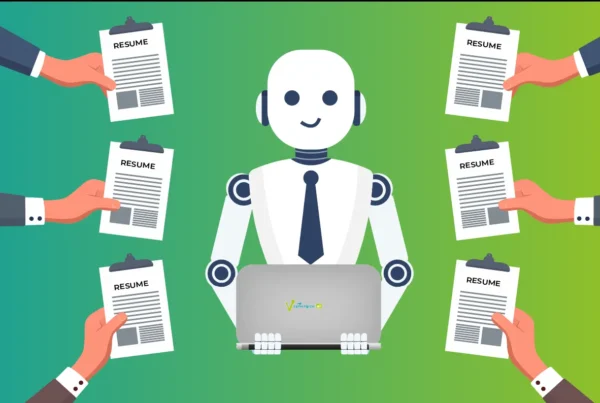

Artificial Intelligence (AI) is transforming industries worldwide, and customer service is no exception. The traditional customer service model, often characterized by long wait times and inconsistent service, is rapidly being replaced by AI for contact centers that offer faster, more personalized, and efficient customer interactions.
Customer service or AI-powered customer service is a cornerstone of business success, impacting customer satisfaction, loyalty, and revenue. In an era where customer expectations are higher than ever, the shift towards AI-powered contact centers is not just a trend but a necessity for businesses looking to stay competitive.
The Evolution of Contact Centers
Traditional vs. AI-Powered Contact Center
Traditional contact centers rely heavily on human agents to handle customer inquiries, often leading to bottlenecks during peak times. These AI for contact centers typically need help with issues such as
long response times, inconsistent service quality, and high operational costs.
In contrast, an AI-powered contact center leverages advanced technologies to enhance the customer experience. AI systems can handle multiple tasks simultaneously, ensuring quick and accurate responses and improving customer satisfaction.
The demand for faster, more efficient customer support or AI-powered customer service has never been greater.
A study by Zendesk shows that 69% of customers expect an organization to offer self-service options, and 52% expect all interactions to be personalized.
AI-driven contact centers meet these expectations by providing instant, tailored responses to customer inquiries without the delays associated with traditional models.
Key Drivers for AI Adoption
Several factors influence the rapid adoption of AI-powered customer service. The increasing availability of sophisticated AI technologies like Machine Learning and Natural Language Processing enables businesses to automate complex customer interactions.
Additionally, the growing emphasis on customer experience as a key differentiator in the market is pushing companies to adopt AI to deliver more personalized and proactive support.
Advancements in these technologies are making it possible to respond to customer queries and predict their needs and preferences, thereby delivering a more seamless and satisfying experience.
AI-Driven Customer Experience
Understanding AI’s Impact on Customer Interaction
AI is revolutionizing customer interactions by offering more personalized and efficient service. AI systems can analyze large amounts of customer data in real-time, enabling them to tailor responses to individual needs. For example, AI can predict common issues based on a customer’s history and provide solutions before the customer asks for help. This level of personalization enhances the overall customer experience, making interactions more meaningful and effective.
Examples of AI-powered customer service scenarios are becoming increasingly common. For instance, AI chatbots can handle routine inquiries like order status checks, while more complex issues are escalated to human agents. This helps businesses maintain high levels of service while freeing human agents to focus on tasks that require a personal touch.
AI-Powered Help Desks & Virtual Assistants
Intelligent virtual agents and AI-powered help desks are key components of modern contact centers. These tools can manage many customer queries, from simple FAQs to complex troubleshooting tasks. AI chatbots, for example, can guide customers through troubleshooting steps, while virtual assistants can schedule appointments or update account information without human intervention.
The benefits of AI chatbots, AI-powered customer service, and automated help desk systems are clear: they reduce wait times, improve response accuracy, and provide 24/7 support. A Gartner report predicts that by 2027, chatbots will be the prominent customer service channel for approximately 25% of organizations.
Machine Learning in Customer Service
Machine Learning (ML) is pivotal in enhancing the accuracy and efficiency of AI-driven contact centers. Machine Learning(ML) algorithms can examine vast customer data to identify patterns, helping businesses predict customer needs and preferences. This predictive capability improves the quality of responses and enables proactive customer service, like suggesting products or services based on past purchasing behavior.
Natural Language Processing (NLP) in Contact Centers
Natural Language Processing (NLP) is another crucial technology in AI-powered contact centers. NLP allows AI systems to interpret human language, enabling them to engage in more natural and intuitive customer conversations. Real-life applications of NLP in customer service include sentiment analysis, which helps businesses gauge customer emotions during interactions, and automated language translation, which allows companies to serve customers in multiple languages.
Robotic Process Automation (RPA) for Contact Centers
Robotic Process Automation (RPA) automates repetitive tasks in contact centers, such as data entry and transaction processing. By offloading these tasks to RPA, businesses can significantly reduce operational costs and improve efficiency. Moreover, RPA allows human agents to focus on more complex and value-added tasks, leading to better customer outcomes.
Key Benefits of AI in Contact Centers

Improved Efficiency and Cost Savings
One of the most significant benefits of AI in contact centers is improving operational efficiency. AI systems can handle high volumes of interactions simultaneously, reducing the need for large teams of human agents. This leads to substantial cost savings, particularly in areas such as training and staffing. Furthermore, AI’s ability to operate 24/7 ensures customers receive timely support, regardless of time zones or holidays.
Enhanced Customer Satisfaction and Loyalty
AI enables businesses to offer personalized and consistent customer interactions, which is crucial for building customer satisfaction and loyalty. With AI, customers receive quick, accurate, and relevant responses, which enhances their overall experience. Moreover, AI systems can proactively address customer issues before escalating, improving satisfaction.
Scalability and Flexibility
AI-powered contact centers are highly scalable, allowing businesses to easily manage fluctuations in customer inquiries without compromising service quality. Whether dealing with seasonal spikes or unexpected surges in demand, AI systems can adapt quickly and efficiently. This scalability also extends to the ability to serve a global customer base, as AI systems can operate in multiple languages and time zones.
Integration with Existing Systems
AI and CRM Integration
AI enhances Customer Relationship Management (CRM) systems by providing deep, actionable insights about customer behavior and preferences. By integrating AI for contact centers with CRM systems, businesses can automate data analysis and gain a comprehensive view of each customer. This integration leads to more personalized marketing and customer service strategies, ultimately driving better business outcomes.
Omnichannel Support and AI
AI is important for providing a unified, multichannel CX, including phone, email, chat, and social media. Omnichannel support ensures that customers receive consistent service, regardless of the platform they choose to use. AI systems can track customer interactions across channels and provide contextually relevant responses, enhancing the overall customer experience.
Challenges and Considerations
Data Privacy and Security
As AI systems process big chunks of customer data, ensuring data security becomes paramount. Businesses must establish strict security measures to guard sensitive customer information and adhere to regulatory requirements. This includes encryption, access controls, and regular audits to prevent data breaches.
Balancing Automation and Human Touch
While AI offers numerous benefits, finding the right balance between automation and human interaction is important. Certain situations, particularly those involving complex emotions or nuanced decision-making, may require a human touch. Businesses must ensure that AI complements rather than replaces human agents, maintaining empathy and personalized service in customer interactions.
Future Trends in AI-Powered Contact Centers
Advancements in AI Technologies
The future of AI-powered contact centers will be shaped by continued advancements in AI technologies. Emerging AI tools like advanced speech recognition and sentiment analysis will further enhance contact centers’ capabilities. These technologies will enable more natural and intuitive customer interactions and more accurate predictions of customer needs.
The Role of AI in Shaping Customer Service Strategy
AI’s importance will continue to increase in long-term customer service strategies. Businesses that leverage AI to deliver exceptional customer experiences will be better positioned to retain customers and drive growth. As AI advances, it will become crucial to customer service strategies, enabling businesses to maintain a competitive edge.
Conclusion
AI is transforming contact centers, allowing businesses to enhance customer service and achieve greater efficiency. By adopting AI for contact centers, AI-powered solutions, companies can provide faster, more personalized, and more efficient customer interactions, improving customer satisfaction and loyalty. As AI technologies continue to evolve, businesses must stay competitive.
Now is the time to take action for businesses looking to explore AI-powered contact center solutions. Vsynergize is here to help you navigate the complexities of AI adoption and implement solutions that meet your unique business needs.
Let’s connect!