

- Introduction
- Why This Industry Still Has Massive Opportunity
- Understand What a BPO Company Really Does
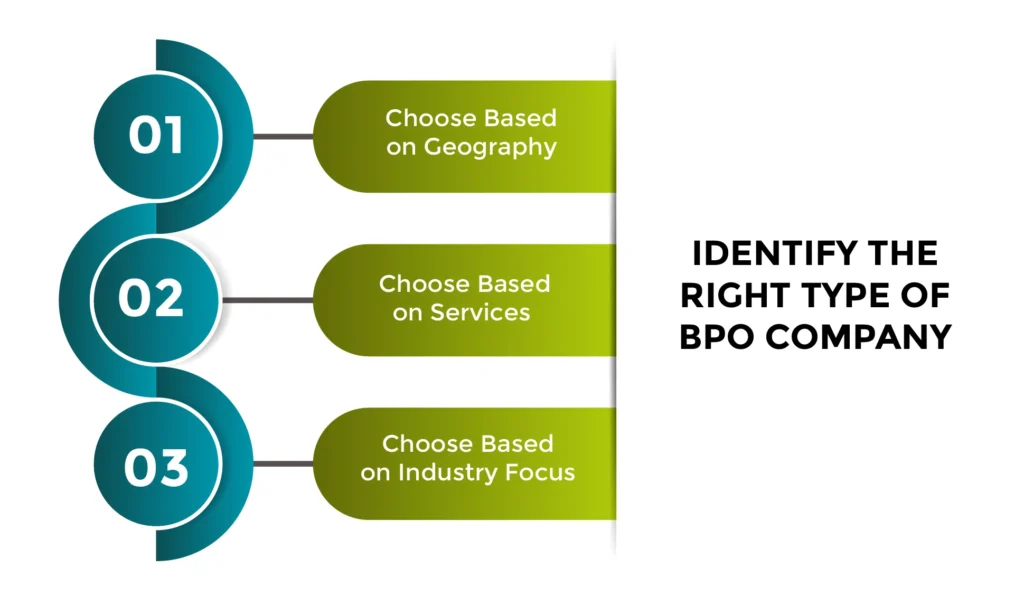
- Identify the Right Type of BPO Company
- How to Start A BPO Company Step-by-Step
- Cost Breakdown to Start a BPO Company
- Revenue Potential
- Build a Strong Marketing Engine for Your BPO Company
- What U.S. & Indian Clients Actually Look for in a BPO Partner
- How to Position Your BPO Company for Premium Clients
- How to Build a BPO Brand That Clients Remember
- Turning Your BPO into a Long-Term Business Asset
- Conclusion
- FAQ’s
If you are wondering how to start a BPO company involves choosing the right niche, setting up operations, hiring a skilled team, and building a consistent client acquisition system, you are going the correct way. This guide explains how to start a BPO company step by step, including costs, tools, and scaling strategies. When customer support is really good, you simply don’t think about it. Your problem is fixed, you get the information you need, your money is returned to you…and it all just flows. But a lot of the time, that easy experience is thanks to a BPO (business process outsourcing) company working without much attention. If you just stop and consider, all scaling SaaS businesses, every ecommerce store dealing with lots of questions, and each fintech company offering help all the time, they’re all using outside companies for support. And that’s where the opportunity lies. According to Gartner, over 70% of organizations outsource at least one business function to improve efficiency and focus on core operations. It isn’t a market that’s already full of competitors, but a system where companies need partners who can deliver for them, and deliver consistently.
Why This Industry Still Has Massive Opportunity
You really need to know what you’re doing before you start to create something. A report by McKinsey & Company highlights that companies using outsourcing models can improve operational efficiency by up to 30-40%.
The market is saying quite a few things: by 2033 the entire world’s Business Process Outsourcing (BPO) industry is expected to be over $695 billion, India provides more than half of the outsourcing services for the world, companies can lower how much it costs to run things by as much as 60% by using outsourcing, over seventy percent of businesses outsource at least one part of how they work, and BPO that uses Artificial Intelligence is becoming much bigger, growing by at least 20% each year. The global BPO market is expected to reach $600–700 billion by 2030+, according to Bloomberg and industry projections. EY reports that India contributes over 50% of the global outsourcing market, making it a dominant delivery hub.
So, to put it simply, people don’t want these services. The issue isn’t driving sales, it’s fulfilling the promise. At least in theory, firms can slash operational expenses by 60% using outsourcing, Deloitte points out. That’s a big shift in how services are managed. Some teams still rely on internal staff.
Customers expect consistency. If delivery falters, trust erodes fast. Research finds cost savings are real for many companies. Outsourcing remains a strong option for scaling operations.
But understanding market potential is only one side of the equation. What truly matters is knowing how profitable your BPO model can be based on your specific setup, costs, and client base. Use a real-world ROI calculator to estimate your potential returns before you start.
Understand What a BPO Company Really Does
First of all, let us make it easier to understand. A BPO (Business Process Outsourcing) firm is one that takes care of a certain business function of other businesses. However, it does not quite define what a BPO company really is. Actually, a BPO company can turn out to be a client’s brand mouthpiece, a customer’s first contact point, or a business operation’s implementation level. According to PwC, 73% of customers say experience is a key factor in their purchasing decisions, which makes BPO companies a direct extension of a brand’s reputation.
What Does a BPO Company Handle?
Here’s a clearer breakdown:
- Customer support (calls, chat, email)
- Technical troubleshooting
- Data entry and processing
- Sales outreach and lead generation
- Back-office operations
Identify the Right Type of BPO Company
You don’t create a BPO company that thrives by trying to do everything. You create one by picking the right model. And this is the major point where a lot of companies get stuck. It’s not because they don’t have enough drive, but because they’re not clear. Therefore, let’s make it very straightforward. Looking to outsource your operations? Explore our complete range of BPO services designed for global businesses.
Choose Based on Geography (Your Core Business Model)
The location of your clients and operations largely determines your cost structure, profit margins, and potential for scaling.
1. Offshore BPO (The Most Scalable Model) Clients
United States: UK, Australia
Operations: India
This model is the most popular one.
Why?
- Lower operational cost
- Access to a skilled workforce, 24/7 service capability
2. Nearshore BPO Clients and operations are in nearby countries
It’s chosen when:
- Time zone synchronization is vital
- Preference for the same culture
3. Onshore BPO Clients and operations are in the same country
This model is characterized by:
- Maximum control
- Significant operational cost
Starting business owners should note that this model actually restricts scalability for them.
| Model | Cost Efficiency | Scalability | Demand |
| Offshore | High | High | Very High |
| Nearshore | Medium | Medium | Moderate |
| Onshore | Low | Low | Niche |
Choose Based on Services (What You Will Actually Deliver)
Your service offering defines your revenue model.
1. Voice BPO (Call Center Services)
- Inbound and outbound calls
- Customer support
- Telemarketing
This is the traditional model.
Still relevant. Still in demand.
If you want voice support that works consistently and scales well, check our inbound call center services. Structured teams manage high-volume customer calls without breaking down. Our inbound call center services help deliver scalable voice support. Teams are organized to handle large volumes of interactions efficiently. Consistency comes from clear processes, not luck.
2. Non-Voice BPO (Fastest Growing Segment)
- Email support
- Live chat
- Social media responses
Why is this growing?
Because customers prefer typing over calling.
Gartner predicts that digital customer interactions (chat, email, social) will dominate over 70% of customer service engagements in the coming years.
3. KPO (Knowledge Process Outsourcing)
- Data analysis
- Market research
- Financial services
This requires:
- Skilled professionals
- Higher pricing models
4. LPO (Legal Process Outsourcing)
- Contract management
- Legal documentation
This is niche and specialized.
Industry Insight
Modern BPO companies, including Vsynergize, combine voice + non-voice + digital support to create an omnichannel experience.
That’s where the industry is heading.
Choose Based on Industry Focus
This is where you create differentiation. Most new BPO companies say: “We serve all industries.” That sounds flexible. But in reality, it slows down growth.
Retail and e-commerce businesses require fast, scalable customer support to manage high volumes of orders, returns, and queries, making outsourcing a critical growth driver. See how BPO services power the retail industry!
High-Growth Industry Niches
- E-commerce – Support for order handling and return tracking
- SaaS companies – Support along with Technical issues and onboarding
- Healthcare – Dealing with patients, Billing
- BFSI – Customer service, Filing & Documentation
Why Niche Matters
Let’s be honest, clients are eager to trust specialists.
If you say:
We provide SaaS customer support services.
You give a focused impression.
If you say:
We cover all aspects.
You come across as someone who can be replaced.
Example: Market Positioning That Works
Organizations such as Vsynergize provide mainly technology-driven outsourcing solutions for various industries, while keeping their sectoral expertise at a high level in areas like:
- BFSI
- Healthcare
- Telecom
- E-commerce
This balanced positioning allows:
- Industry-specific solutions
- Scalable service delivery
- Long-term client relationships
Choosing the Right Combination (Your Winning Formula)
Now combine all three:
- Geography
- Service type
- Industry
Example of a Strong BPO Positioning
Rather than saying:
We are a BPO company.
Say:
We support e-commerce brands in the U. S.
with their back-office customer services by leveraging a delivery team in India.
Those are two different things.
One is a lame statement, the other is a product offer.
Simple Positioning Framework
| Element | Your Decision |
| Geography | U.S. clients + India operations |
| Service | Non-voice support |
| Industry | E-commerce |
How to Start A BPO Company Step-by-Step
After you’ve clarified your positioning, the subsequent step would be implementation.
At this point is where a plan is converted into a business.
Let’s divide this into some precise and practical steps.
1. Define Your Business Plan
You do not need a 40-page document.
You need clarity.
Your business plan should answer these questions:
- Who is your target audience?
- What kind of services will you provide?
- How will you set the prices for your services?
- What are your planned monthly expenses?
- What strategies will you use for client acquisition?
Simple Business Plan Snapshot
| Component | Example |
| Target Market | U.S.-based SaaS companies |
| Service | Customer support (chat + email) |
| Pricing | $10/hour |
| Team Size | 10 agents |
| Revenue Goal | $15,000/month |
Scaling companies like Vsynergize is possible because such companies align their business plan with market demand and operational efficiency, not assumptions.
2. Register Your BPO Company
Your structure matters. Clients take you seriously when your foundation is clear. Your structure matters.
In India, Start With:
- Private Limited Company (recommended)
- GST Registration
- MSME Registration (optional but useful)
For U.S. Clients, Ensure:
- Proper service agreements
- Clear invoicing in USD
- Payment gateways (Wise, Payoneer, etc.)
Why This Matters
You are not just starting a company.
You are building a global service brand.
3. Set Up Infrastructure
Forget the notion that you must have a big office.
You don’t.
Begin small. Expand as you go.
Forget the idea that you need a large office.
You don’t.
Start lean. Scale later.
Basic Setup Checklist
- High-speed internet (with backup)
- Laptops or desktops
- CRM software
- VoIP or cloud dialer
- Secure data systems
Recommended Tools
| Category | Tools |
| CRM | HubSpot, Zoho |
| Communication | Slack, Zoom |
| Dialer | Aircall, RingCentral |
| Automation | Zapier |
4. Hire Your First Team
Your team is your product.
Not your tools. Not your office.
What to Look For
- Clear communication
- Basic technical understanding
- Willingness to learn
Ideal Starting Team
- 5-10 agents
- 1 team leader
- 1 quality analyst (optional initially)
Training Areas
- Customer communication
- Process handling
- Tool usage
- Data security
Key Insight
A skilled team of 10 members can perform better than a non-skilled team of 30 members.
This section breaks down exactly how to start a BPO company in a structured and practical way.
5. Define Your Pricing Strategy
Pricing should be simple.
Confusion kills conversions.
Common Pricing Models
| Model | Best For |
| Hourly | Flexible projects |
| Per seat | Dedicated support |
| Per outcome | Sales processes |
Example Pricing
Entry-level: $8–$12/hour
Skilled: $12–$20/hour
Practical Tip
Working with price alone is not a great idea.
What you should really be competing for:
- Reliability
- Communication
- Consistency
6. Acquire Your First Clients
Start With These Channels
- LinkedIn outreach
- Cold email campaigns
- Freelance platforms
- Referrals
Simple Outreach Framework
- Introduce your service
- Show understanding of their business
- Offer a small trial
Long-term client relationships, referrals, and consistent delivery are the main grounds on which established companies like Vsynergize grow. In contrast, aggressive outreach is only one of the several approaches.
7. Build Processes Early
Do not wait for scale to create systems.
Start early.
Track These Metrics
- Response time
- Resolution time
- Customer satisfaction (CSAT)
- First contact resolution
Why This Matters
Clients stay when results are predictable.
Use Technology to Improve Efficiency
Modern BPO is not manual. It is technology-driven. According to McKinsey & Company, automation can handle up to 45% of repetitive business processes, allowing teams to focus on high-value work.
If you’re looking to scale faster with automation, explore our AI-powered contact center solutions designed for real-time support, analytics, and intelligent workflows.
Use Tools To
- Automate Processes
- Produce Reports
- Manage Workflows
Examples
- Chatbots for FAQs
- Ticketing systems
- Performance dashboards
Gartner estimates that AI-powered customer service will reduce operational costs by up to 30%.
8. Focus on Quality
Anyone can start a BPO. Few continue to be of high quality.
Quality Depends On:
- Training
- Monitoring
- Feedback
Simple Rule
If your quality drops, your clients leave.
9. Scale with Systems, Not Chaos
Growth ought to feel under control.
Not tense.
Build Before You Scale
- SOPs (Standard Operating Procedures)
- Training modules
- Performance tracking systems
Scaling Model
| Stage | Focus |
| 0-10 employees | Setup + training |
| 10-50 employees | Process building |
| 50+ employees | System scaling |
A critical part of learning how to start a BPO company is understanding the real costs involved.
Cost Breakdown to Start a BPO Company
Let’s talk numbers.
Initial Setup Costs
| Expense | Estimated Cost |
| Office setup | $2,000-$10,000 |
| Systems | $500 per employee |
| Internet & utilities | $200/month |
| Software tools | $100–$300/month |
Monthly Operating Costs
| Expense | Estimate |
| Salaries | Depends on the team |
| Tools | $100–$500 |
| Rent | Optional (if remote) |
Key Insight
You can begin modestly and work your way up. That is this company’s edge.
Revenue Potential
There is no universal answer here. The right choice depends on your business model, interaction complexity, volume, and strategic goals.
When a Traditional BPO Makes Sense
- High-complexity interactions that require human judgment, deep empathy, or regulatory expertise (e.g., legal services, medical support, financial advice)
- Businesses with irregular, unpredictable volumes where maintaining in-house infrastructure is impractical
- Markets where human connection is a core part of the customer value proposition
- Organizations with strong, existing BPO relationships and well-optimized processes
- Companies handling sensitive or highly regulated communication that requires human accountability
When an AI Contact Center Makes Sense
- Handling a large number of queries by customers, processing similar questions (order tracking FAQ password recovery, account update etc.)
- E-commerce SaaS fintech, and digital businesses which emphasize on providing instant and round-the-clock digital support to their customers.
- Companies that are experiencing rapid growth and as a result want flexible and cost-efficient solutions without resorting to time-consuming recruitment processes.
- Marketing-oriented firms that are seeking to directly connect their customer support data with their CRM and other analytics tools.
- Businesses that serve international customers and therefore need multilingual support at scale.
Businesses beginning with AI-driven support can rely on our customer service AI solution coupled with an AI support chatbot guide to show them how to create a simple and scalable on-ramp.
The Hybrid Model: Best of Both Worlds
In 2026, a lot of big companies will run a system where AI does Tier 1 tasks (like handling simple, common questions). However, there will be a small group of highly trained human agents – either working in the company or through a carefully chosen BPO partner – taking care of Tier 2 and Tier 3 escalations.
Such a method is very effective as it combines the cost-saving benefits of AI for most interactions with the human discretion and empathy necessary for complicated situations. In fact, more and more, it’s becoming the norm for customer experience units that want to be ahead of the curve.
Statista reports that the global outsourcing market expands annually, fueled by needs for scalable operations and cost savings. Companies seek flexible models that adapt quickly to changes in volume or market demands. Annual growth in outsourcing is supported by rising demand for efficient workflows and reduced overhead expenses. Businesses rely on external partners to manage functions that require specialized skills or fluctuating workloads.
Let’s make this practical.
Revenue Example
| Clients | Monthly Revenue |
| 1 client | $3,000–$10,000 |
| 3 clients | $10,000–$30,000 |
| 10 clients | $50,000+ |
Growth Logic
- Greater customers translate into higher income.
- Increased retention equals steady revenue.
- Higher quality translates into higher costs.
Build a Strong Marketing Engine for Your BPO Company
The majority of BPO firms do not fail because they don’t have enough customers.
Weak operations are the reason they fail. Let’s address that as soon as possible.
1. Create SOPs
Every work must adhere to a specified procedure.
Things to Record:
- Call handling steps
- Templates for chat responses
- Procedure for escalation
- Quality standards
Why SOPs Matter
Without SOPs:
- Each agent operates in a unique way.
- The quality gets erratic.
Using SOPs:
- Work starts to become routine.
- Training speeds up
2. Define Clear KPIs (Performance Metrics)
Performance cannot be improved if it cannot be measured.
Key Metrics to Track
| Metric | What It Measures |
| AHT (Average Handling Time) | Efficiency |
| CSAT (Customer Satisfaction) | Experience |
| FCR (First Call Resolution) | Effectiveness |
| SLA Compliance | Reliability |
Simple Insight
Clients care about results. Not effort.
3. Set Up a Quality Assurance (QA) System
Quality is not a given. You have to keep an eye on it.
QA Process Includes:
- Call audits
- Chat reviews
- Feedback sessions
Result
Improved performance. Increased customer confidence.
Build a Training System
Training is not a one-time task.
It is continuous.
Building a Team That Stays
By this time, running a business is no longer simply about carrying out operations. The main focus shifts to people.
A BPO company is a place where people interact. So, the team is the one that has the most impact on the growth of the company. If your team members feel that they are not connected, their work will suffer.
If your team members feel that they are appreciated, their work will improve. Retention is the key to success. Explore how AI in BPO team management is improving agent productivity and retention.
Besides the continual recruitment, put your efforts into stability. Develop a culture where everyone really gets what is expected from them, is given a chance to hear from their work regularly, and most importantly, gets to know the most potential ways that lie in front of them. A few things here and there can change the whole picture:
A solid workforce will give out steady output. And steadiness is one of the key elements that make a client trust the company.
Data Security and Compliance: The Silent Deal-Maker
Clients may not necessarily raise the most detailed questions during the initial call. However, they always assess whether they can trust you. And in the outsourcing business, trust means a lot when it’s related to data security. When a company entrusts you with their customer data, financial information, or access to their internal systems, they expect you to provide the highest level of security. Your internal setup is your strongest asset in such cases.
Based on who your clients are, it is possible that you will have to comply with international standards such as GDPR, HIPAA, or PCI-DSS. IBM reports that the average cost of a data breach exceeds $4 million globally, making compliance a key decision factor for clients.
One of the ways Vsynergize, for example, can increase its client base is by strictly adhering to compliance standards. Besides the fact that it secures the data, it also promotes their enterprise-level transactions.
The Role of Technology in Modern BPO
Clients may not necessarily raise the most detailed questions during the initial call. However, they always assess whether they can trust you. And in the outsourcing business, trust means a lot when it’s related to data security. When a company entrusts you with their customer data, financial information, or access to their internal systems, they expect you to provide the highest level of security. Your internal setup is your strongest asset in such cases.
Based on who your clients are, it is possible that you will have to comply with international standards such as GDPR, HIPAA, or PCI-DSS. IBM reports that the average cost of a data breach exceeds $4 million globally, making compliance a key decision factor for clients.
One of the ways Vsynergize, for example, can increase its client base is by strictly adhering to compliance standards. Besides the fact that it secures the data, it also promotes their enterprise-level transactions.
Where Most BPO Companies Go Off Track
There are many cases when businesses do not grow as expected. Many times, reasons are the same old, expected ones. Some businesses try to cover many industries at the same time. Some focus too much on pricing and ignore quality. This often happens when there is limited clarity around call center pricing models and cost structures. Some grow too fast without establishing their systems. Such choices lead to instability. Actually, a good plan is very simple:
- Remain focused
- Establish procedures early
- Do not compromise quality at any time
The business growth should be controlled rather than chaotic.
Scaling the Right Way
Adding more people is not the definition of scaling. Scaling or growing your business is basically related to optimizing how your business functions.
When you grow your business, you make wise changes, too. You change from:
Doing activities leading teams, and managing systems
This is such an important transition. As a matter of fact, the key to sustainable growth is the right structure.
Organizations such as Vsynergize manage to scale efficiently because they concentrate on developing strong internal systems prior to expanding their operations. If you’re planning to start or scale a BPO company and want expert guidance, you can always connect with our team to explore the right approach for your business.
How to Get Consistent BPO Clients
At this moment, the question is more than just hypothetical:
How can client acquisition be made so reliable that you can even predict it?
Landing a single client and creating a client-generating machine that brings clients regularly are very different things. The majority of early-stage BPO companies, in fact, tend to rely on the intensity of their efforts. They, for example, send the email arsenal within a few days, get on the LinkedIn hype for a week, and then stop.
What is the result? That practice yields inconsistency. On the contrary, one should think in terms of a system. A basic client acquisition system consists of three levels. The primary level is visibility. People need to discover your existence.
This is achieved through Trust.
Clients don’t just pick you randomly. They will consider you.
Clients will assess: Conversion.
It is here where the majority of the deals are signed or not signed.
HubSpot data shows that companies with consistent outbound and inbound strategies generate 3x more leads than those relying only on one channel. Just like Vsynergize and others, companies do not only rely on outreach. They prepare long-lasting pipelines by means of continuous visibility and relationship-driven growth.
Therefore, instead of focusing on the question, “How can I get clients?” find out, “What should I do to develop a system that will bring me clients every month?”
What U.S. & Indian Clients Actually Look for in a BPO Partner
They want to be supported, not when it’s convenient for the company, but when their customers need it. Building offshore models is the reason why India-based teams provide extended coverage and, at the same time, be efficient.
What Indian clients generally give importance to:
More collaboration during the initial phases.
The decision-making might even be a little quicker than that of n global clients.
1. What Both Markets Expect (The Must-Haves)
Though the differences exist, some expectations remain intact:
Customers want to be sure:
2. The Real Insight
Clients do not buy based on price alone. They buy based on the partner they find most trustworthy and the one whose work is most predictable. This is why businesses often compare the best call center outsourcing companies before making a final decision. Structured companies get noticed here. Companies like Vsynergize have clear positioning in terms of industries and services. This minimizes confusion and gains trust in both the company and you.
Building Authority in the BPO Industry
There is a difference between visibility and authority. Visibility attracts attention. Authority, on the other hand, is what forms trust. And in the BPO industry, it is trust that leads to conversion. So, the question is, how do you gain authority? Not by making claims. It is by a demonstration. Every time you give a lesson on outsourcing, customer experience, or even process improvement, you make a statement that you know what you are talking about. PwC notes that customer experience is a top priority for 73% of companies, driving demand for outsourced support services.
Publishing case studies or explaining how systems operate can also help to break down the elements of a sale for the client and, therefore, increase the chances of the client making a purchase. Another source of authority is consistency.
Making a single post does not generate trust. Frequent posts help.
One such example is Vsynergize, which, through structured communication, clear service positioning, and consistent delivery across industries, has built considerable authority. Eventually, authority is the reason why you will be less exposed to using aggressive sales tactics. Clients will come to you.
The Psychology Behind Client Decisions in BPO
Let’s break down something really important. It’s not only the services that clients compare.
They assess how risky it is. When a firm hands over work to a third party, they are basically entrusting their customers to you. It’s a huge decision. So, what are the things that really minimize this risk? Certainly, one of those things is clarity. If your processes are transparent, your communication is well-organized, and your expectations are set you are making it harder for situations to arise that people are not sure of. PwC states that trust and reliability influence over 80% of B2B purchasing decisions, especially in outsourcing partnerships.
Another one is predictability. Partners’ clients like:
- Stick to the plan
- Keep them informed
- Give the same level of quality all the time
Finally, there’s the element of being responsive.
Quick answers show dependability. Waiting causes skepticism.
That’s the reason why a little more attention to the way we communicate can massively increase the percentage of people who end up buying. Knowing this way of thinking allows you to market your company in a more attractive way.
Your challenge is not merely to offer a service.
How to Position Your BPO Company for Premium Clients
Clients are different in many ways. Some care mostly about price. Others think more about value. For long-term growth, you need high-end clients.
How to attract them?
The first step is positioning.
Be very different from others.
Don’t say: We provide BPO services.
Say: We help SaaS companies decrease customer support response time and customer support costs.
Such a modification will definitely change the client’s perception.
After that will be the presentation. Website emails proposing have to show your willingness to help and the main points of your business in a very clear way.
High-end clients typically check it out through:
- Operating procedures
- Regular performance reporting
- Customer onboarding process
It is a well-known fact that Vsynergize gets not just regular clients but highly paying ones by combining the delivery of a domain expert and a structured one.
High-end positioning is not just about sounding completely fancy.
It is about being precise and dependable.
The Role of Process Maturity in Long-Term Success
Speed kicks in at first. But later, maturity wins. Process maturity means the business runs on systems – not people. That builds stability. Clients get consistent results. Training new staff is faster – quality doesn’t drop. Without it, performance swings. Errors pile up. Growth stalls.
It grows slowly. It begins with documentation. Then standardization sets in. Tweaking follows.
Vsynergize scales because their processes aren’t tied to one person; they’re embedded in the system. No single employee is needed to maintain quality – everyone follows the same path.
How to Handle Growth Without Losing Control
Growth is solid, no fluff. But it brings complexity fast. More clients mean more processes. More people mean more coordination – each one adds a layer of noise.
Without structure, the whole thing starts to drift. How do you grow without losing control? It seems hard to ignore.
Visibility is the answer.
You must know what teams are working on, how each client account stacks up, and where gaps appear. See how AI-based ticket triage and routing systems give real-time visibility into support workloads and improve operational control as you scale
Reporting systems matter here. Dashboards, performance summaries, and regular reviews – all give you oversight without constant checking.
Delegation is necessary. Eventually, you can’t handle everything yourself.
You need team leaders, quality managers, and process owners.
But that only works if processes are clear from day one.
Otherwise, mistakes pile up, and effort gets wasted.
The First Client Experience: Where Long-Term Growth Begins
Landing that first client is definitely a major accomplishment. However, what you do after that is what really counts. The client onboarding experience that you design will mirror your relationship with the client.
Doing the onboarding hastily will only lead to confusion. An orderly and well-planned onboarding will raise the client’s belief in you.
Easy to reach and honesty in sharing are the main points in communicating during the time of change.
Trust starts right here.
Understanding Financial Flow
Basically, a BPO business operates on a simple formula:
Revenue per client – operational cost = profit
However, the main point shouldn’t be just the numbers. It should be efficient.
Weak processes result not only in higher costs but also in client dissatisfaction. Conversely, good performance of a team leads to longer client retention. That is how long-term profitability is built.
The Future-Ready BPO: What You Must Prepare for Next
The BPO industry isn’t standing still. It’s changing fast. Firms that move quickly catch up. AI tools now handle routine work.
Humans take on the tricky parts – like resolving disputes or building rapport. Support is no longer limited to phone calls. People expect help in chats, emails, and social media, too. Data plays a bigger role now. Outcomes aren’t guessed at; they’re tracked live every minute. How does that affect your operation?
You can’t design a system for just today’s needs. You need flexibility to keep up with shifts. Gartner predicts that by 2028, 75% of customer service operations will integrate AI in some form.
Vsynergize has built in automation, real-time analytics, and clear processes to match the pace of change.
The aim isn’t to foresee every shift ahead. It’s about creating a setup that grows with what happens next.
How to Build a BPO Brand That Clients Remember
At some point, your business stops being just a service provider. It turns into something people remember – even when they’ve forgotten the price or the contract details. Client memory favors feeling over facts. They don’t recall what you said, and they remember how you listened during a crisis. Brand in BPO isn’t about logos or brand colors. It’s about how things unfold when things go wrong.
The way you reply to a late submission. Also, the tone of your email after an error. Whether your team answers in minutes or hours. These moments stack up. They form an unspoken standard of expectation. That standard is your brand – no fanfare needed.
How do you build that? Start with consistency. If your emails shift from friendly to robotic, clients get confused.
If every message follows the same rhythm, clear, calm, and direct, it builds trust by design.
Clients need to know what’s happening right now. What comes next? Who owns the issue?
Without that clarity, delays become friction points.
Reliability comes next. When you show up on time and handle issues as promised, clients stop asking if things will work out.
Vsynergize doesn’t run ads. They don’t chase visibility. Their brand sticks because every interaction is handled the same way – structured and honest.
Managing Client Expectations Without Overpromising
In the first stages, it is quite easy to give in to the temptation and agree to everything. Every requirement. Every timeline. Every expectation. It seems like the quickest way to close deals. But actually, it only leads to pressure at a later time. Because if the expectations are either not clear or downright unrealistic, it is only natural that the delivery will be hard. Therefore, the wiser decision is straightforward:
Arrange expectations in advance. Make sure that you are very explicit about:
- Your ability to deliver
- How long may things take
- What dependencies do you have? Rather than making empty promises, clients will value you more for your honesty.
Trust is built by being genuine from the very beginning. An equally important factor is getting on the same page.
If you are initiating a project of any kind, make sure that you agree on together:
- The range of the work to be done
- How often will you communicate
- What performance levels will you measure against
This will prevent any sort of misunderstanding down the road. Companies like Vsynergize sustain long-term client relations by making sure that expectations are well-defined before they even start to work.
Turning Your BPO into a Long-Term Business Asset
Many entrepreneurs focus on the concept of monthly turnover. However, a larger viewpoint is that of long-term worth.
A BPO company that is well organized can turn into something more than only a service provider.
It can turn into an asset.
Why?
Since it produces revenue regularly. It works on predetermined systems. It develops client relationships that are beneficial in the long run. In the course of time, this brings about stability.
And stability makes value. Clients who are with you longer generate higher lifetime revenue. Well-run operations raise margins. Good processes lessen reliance on individuals.
All these help in the creation of a business that is capable of: Scaling in a sustainable mannerGetting bigger clientsMaking long-term financial value
Businesses like Vsynergize are a good example of how a planned expansion can change a service-based business into an internationally scalable operation.
This should be your ultimate focus.
Moving from temporary benefits to the creation of long-term value.
The Role of Leadership in BPO Success
At first, you literally handle everything. Sales recruitment operations, client interaction. However, when your business expands, your position transforms. You stop doing and start leading. Leadership in a BPO company is not about control. It is about direction.
Your team needs you as:
- When leadership is ambiguous, teams lose their confidence.
- When leadership is well-organized, teams achieve higher performance.
One major turning point is to give up control over every little thing and start trusting your systems.
Having:
You can afford not to keep an eye on all the details.
You only steer the results.
Vsynergize, for example, is one of those companies that can scale very well because its leaders focus on building systems and empowering workers rather than managing every single task.
This is the main reason for consistent growth.
Creating Predictability in an Unpredictable Environment
The BPO industry is probably shifting faster than most realize. Client needs change Expectations climb. Tech upgrades happen weekly.
So how do you keep operations steady? You build internal predictability.
This includes:
- Fixed workflows
- Clear escalation routes
- Regular reports
Even when outside forces shift, your systems hold firm.
This builds trust.
Clients prefer partners who:
- Stay on point
- Communicate openly
- Adjust without breaking flow
Predictability doesn’t mean strict rules.
It means a structure that lets you shift without losing direction.
That mix of order and change is what mature BPOs rely on. By now, you should have a clear understanding of how to start a BPO company, from planning to scaling.
Final Thoughts Before We Close
Launching a BPO business does not mean adding more tasks to your plate, but it is about always doing the right things. The chance to start a BPO business is there, as many companies are outsourcing their work and are in the market for dependable partners. If you can show who you really are with an easily understandable and well-organized plan, and most importantly, great implementation, then you have a big advantage over your competitors.
If your team understands your processes and works together, and if you deliver on your promises consistently, growth will come naturally. Firms like Vsynergize have demonstrated that success over a long period of time is achieved by very few people the right way, employing systems, and the rest taking shortcuts. Concentrate on creating a solid base, and your BPO business will grow steadily and confidently.
FAQs
1. How do I start a BPO company step by step?
First of all, choose your niche, services, and target market. Then, draft a simple business plan. Next, get your company registered, create a basic infrastructure, hire a small team, and finally, start client outreach via LinkedIn, email, and referrals.
2. How much investment is required to start a BPO company?
Start small with a small budget, a remote team, and minimal tools. Costs shift with how many people work, what software you use, and your server needs. A few businesses begin tight, just one person, and grow as more clients show up.
3. How do BPO companies get clients from the U.S.?
They utilise LinkedIn outreach, sending cold emails, freelance platforms, and referrals. Clear positioning combined with excellent communication helps them to not only attract international clients but convert them as well.
4. What are the most profitable BPO services?
Customer support (chat and email), technical support, lead generation, and back-office services are widely in demand. Non-voice services are growing quickly due to changing customer preferences.
5. Can I start a BPO company from home?
Yes. Many BPO companies start with remote teams. Stable internet, cloud tools, and trained agents enable you to perform very well without a physical office.
6. What skills are needed to run a BPO company?
Strong communication, team management, basic technical understanding, and process management skills are important. Clear thinking and consistency also play a key role.
7. Is the BPO business still profitable in 2026?
Yes. The demand for outsourcing is constantly increasing globally. Companies are focusing on reducing costs and increasing their production capacity, which is why BPO services are not only still relevant but also very lucrative.
8. What is the difference between a BPO and a call center?
Simply put, a call center primarily manages voice support. However, a BPO company is capable of delivering a broader scope of services, namely chat, email, l data processing, and back-office operations. Call center environments are primarily focused on voice support, while BPOs are capable of delivering a much broader spectrum of services, such as chat, email, data processing, and back-office operations. Call centers mainly focus on handling voice interactions. However, BPO companies deliver a wide array of services such as chat and email support, data processing, and even back-office operations.
Contact Us
Recent Post

- October 2, 2026
- October 1, 2026
-
- October 1, 2026
How AI Is Transforming Sales Development and Lead Generation






 Reduces response times by 50%
 Date: 19th February, 2025
 Time: 12 PM – 1 PM (EST)
 Where: LinkedIn Live